Itineraries guide · Trip planning
How to plan a trip: what to decide and book before the daily plan
Plan a trip in the order that saves you money and rework: a short brief, the days you really have, the booking that’s hardest to change, then the budget and the daily plan. With a days and nights tool, a booking-order helper and the sales windows of 11 rail operators and airlines.
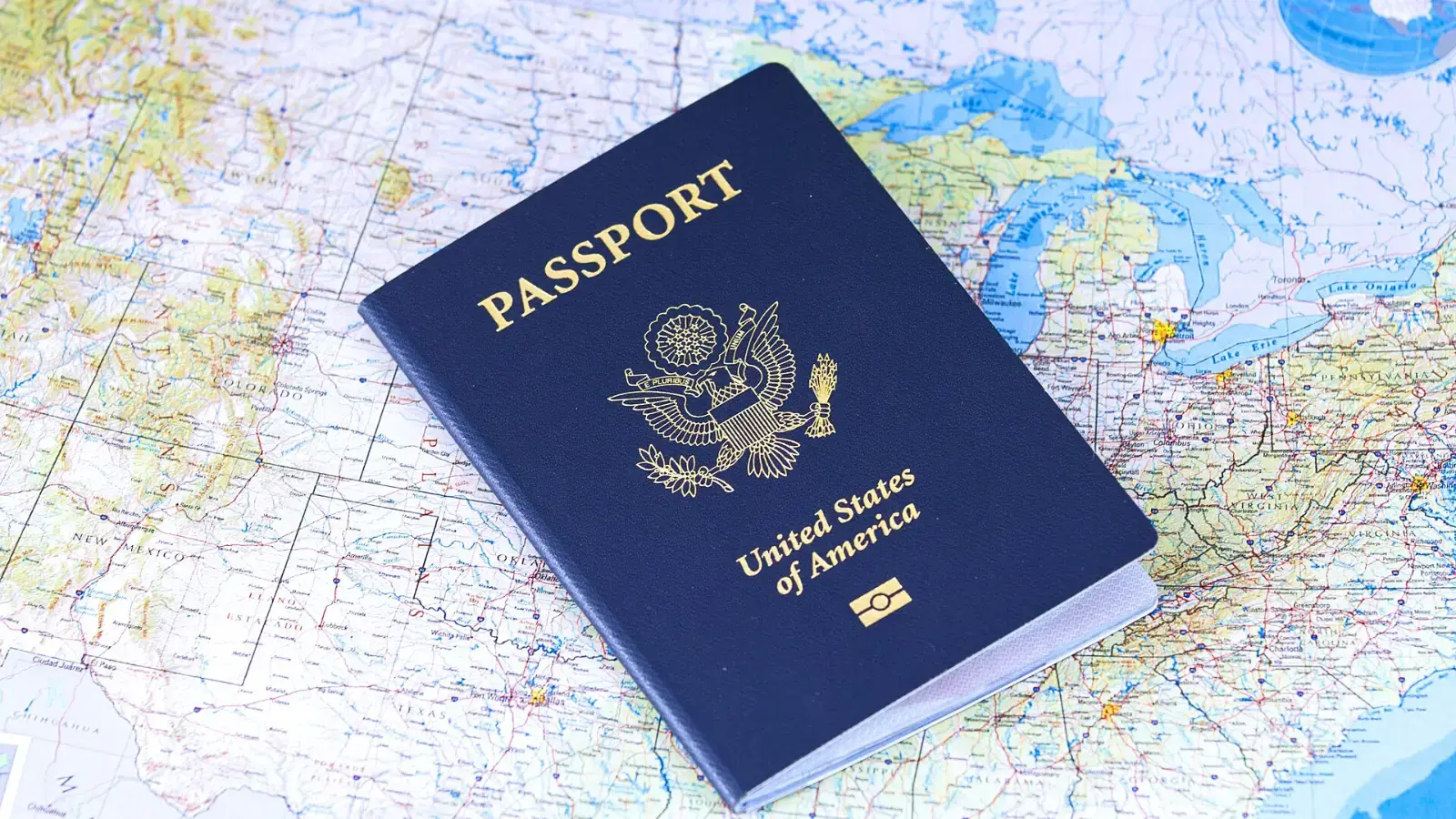
Short answer. To plan a trip, write a short brief (who, when, budget, the two or three things that matter), then count the days you really have, because travel days eat more than you think. Book the thing that’s hardest to change first: an event ticket, a train that sells out, a limited sight or the cheapest flight and room combination. Build the budget from all of it, and only then plan the days.
Most trip plans don’t fail on the day-by-day schedule. They fail earlier: a flight booked before anyone checked the visa, a hotel booked for the wrong night, a train that wasn’t on sale yet, or a “five-day trip” that turns out to have three days in it.
So plan in the order that decides things. Settle the few facts that shape everything, book whatever is hardest to change, then fill in the days. This guide covers that first half. When you get to the daily plan, our guide to making a travel itinerary takes over.
What’s the first step in planning a trip?
Write a short brief before you open a booking site. Five lines are enough:
- Who’s going, and anything that affects the route or the room (a child’s age, a bad knee, a light sleeper).
- The earliest you can leave and the date you must be home.
- A total budget, and what it has to cover.
- The two or three things that matter most on this trip.
- Anything fixed: a wedding, a match, a meeting, a family visit.
Make the priorities specific. “Good food and a lot of rest” leads to a different trip from “hike most mornings and see three towns”. If you’re travelling with someone, compare briefs now. It’s easier to find out that one of you wants quiet evenings before you book a room above a bar.
How many days do you really have?
Fewer than the dates suggest. Land on Monday evening and fly home on Friday morning and you pay for four hotel nights, but you get three days. The evening you land is gone by the time you reach the hotel, and an early flight takes the last morning.
Amicly’s planner works this out from your times, and the tool below uses the same rules: 60 minutes from landing to leaving the airport, then the journey to the hotel and 15 minutes to drop your bags. On the way home it works back from your departure: 3 hours at the airport for an international flight (2 for domestic, 30 minutes for a train), the journey plus a margin for traffic, and 30 minutes to collect your bags.
How many days do I really have?
Enter local times at your destination, as your tickets show them. The answer updates as you type.
– hotel nights, – full days
This uses Amicly’s planner rules: 60 minutes from landing to leaving the airport, then your journey and 15 minutes to drop bags. On the last day it allows 180 minutes at the airport for an international flight (120 domestic, 30 for a train), the journey plus at least 15 minutes for traffic, and 30 minutes to collect your bags. A full day here means free from 09:00 to 21:00. Plan the days in Amicly.
Write every time in local time at your destination, the way your tickets show it. On a long flight east the landing date can be a day after the date you left, and the hotel night follows the landing date. If you’ll reach the hotel after midnight, your first night is the night before; our guide to hotel check-in after midnight explains why.
Five trips, counted with Amicly’s rules
Here’s what the tool says for five common trips. Each uses the rules above, a 40-minute journey unless stated and December 2026 dates.
| Trip | Arrive | Leave | Hotel nights | Full days | First and last day |
|---|---|---|---|---|---|
| Weekend away, domestic flights | Fri 18:30 | Sun 19:00 | 2 | 1 | At the hotel 20:10, so Friday is dinner at most. Sunday free until 15:35 |
| Four nights, long-haul home | Mon 19:00 | Fri 10:00 | 4 | 3 | Late arrival on Monday. On Friday you leave the hotel at 06:05 |
| A week with children, overnight flight in | Sat 06:10 | Sat 23:15 | 7, or 8 for a bed on arrival | 7 | Free from 08:15, but the room is usually ready at 15:00. Last Saturday free until 18:40 |
| Late flight in, early flight home (45-minute journey) | Wed 23:20 | Sun 14:00 | 4 | 3 | At the hotel 01:05 on Thursday, so book from Wednesday night. Sunday free until 09:30 |
| By train, 20 minutes from the station | Thu 09:30 | Sat 18:00 | 2 | 1 | Free from 11:05 on Thursday, until 16:25 on Saturday |
Two things stand out. A late arrival costs you a night you mostly don’t use, and an early flight home costs the whole last day. If your dates are flexible, moving one flight by a few hours can be worth more than an extra night.
Should you book flights or accommodation first?
Book whatever is hardest to change or easiest to lose. For a flexible city break, that’s neither on its own: compare the journey and the room together across two or three date pairs, because a cheap flight can land you on the most expensive hotel nights. For a trip built around an event, a sold-out-prone train or one limited sight, that thing comes first and everything else fits around it.
Pick your trip below to see an order.
What should I book first?
Pick the thing that’s hardest to change on your trip.
Before paying for anything, read the cancellation terms and note the deadline in local time. Plan the days in Amicly once the fixed parts are booked.
Whatever the order, two checks come before any payment you can’t get back. First, entry rules for every traveller’s passport and route. Second, the cancellation terms, with the deadline written down in local time. A rate called “free cancellation” still has a cut-off.
How far ahead can you book trains and flights?
Further than many people think for some operators, and much less for others. Eurostar opens 10 to 11 months ahead, Deutsche Bahn up to 12 months, but the Tokaido Shinkansen only one month before, from 10:00 Japan time. We checked the official help pages of 11 services on 12 November 2026:
| Operator | Service | Sales open | Watch out for |
|---|---|---|---|
| Deutsche Bahn | Long-distance trains, Saver Fares | Up to 12 months ahead | Limited by the June and December timetable changes |
| Amtrak | All trains | Up to 11 months ahead | |
| Eurostar | Trains to and from London, and between France, Belgium, the Netherlands and Germany | 10 to 11 months ahead | Can vary with engineering work. Eurostar and SNCB journeys: 4 to 8 months |
| British Airways | Flights | Up to 355 days ahead | |
| Trenitalia | Trains in Italy | Up to 6 months ahead | Depends on when the seller opens sales |
| ÖBB | Trains in Austria | Up to 6 months ahead | Depends on the issuing rail company |
| ÖBB Nightjet | Sleeper trains | Generally 180 days ahead | Shorter for dates after the December timetable change |
| SNCF | TGV INOUI and Intercités | Usually 4 months ahead | Sales open in blocks: on 12 November 2026 for TGV INOUI trips from 7 January to 2 July 2027 |
| SNCF | TER regional trains | 3 to 5 months ahead | Depends on the region |
| SNCF | OUIGO Classic in France | 60 days ahead | |
| JR Central | Tokaido Shinkansen reserved seats | 1 month ahead, from 10:00 | Some online products open a year ahead, from 05:30 |
Download the table as a CSV, with each source link.
What this means for planning: on a trip that mixes these, you can’t book everything on the same day. If your flight to Paris goes on sale a year ahead but the TGV onwards opens four months ahead, book the flight and a cancellable room, then set a reminder for the day the train opens. Eurostar’s own page notes that its connecting TGV and ICE trains usually open only 90 to 120 days ahead, so a through journey can’t be booked as early as the Eurostar leg. On a return trip, SNCF warns that the two legs can go on sale at different times.
These are the dates sales open, not advice on when prices are lowest. Nobody publishes a reliable “cheapest day to book”, so we don’t give one.
When should you check passports, visas and health?
At the start, before you pay for anything you can’t cancel. Entry rules depend on each traveller’s nationality, passport, route and reason for travel, including any country you only change planes in. The IATA Travel Centre gives passport, visa and health requirements for your details and route, and your government’s travel advice has the official word for your passport. Passport validity rules differ by country, and some want months left after you leave.
Write down where you checked, the date, and what’s still to do. A saved article about a visa is not a visa, and an application in progress is not an approval.
For health, the US CDC says to see a doctor at least a month before you go. If you have less time, go anyway. The UK government’s checklist for British travellers says to get travel insurance as soon as you book, so it covers you if something stops the trip before it starts. Our international travel checklist has the full list for the weeks before you go.
How do you build a trip budget?
Add every part of the trip once, in one currency, and keep a sum for changes. The categories:
- The journey there and back, with the bags you’ll actually take.
- The hotel nights from the counter above, with taxes and fees.
- Getting around: the airport transfers on both ends, plus local transport.
- Food, at a daily figure you’d really spend.
- The tickets you’ve decided on.
- Preparation: visas, insurance, a SIM or eSIM.
- A contingency, held back rather than spent.
Shared costs catch people out. A room at 120 a night shared by two is 60 each, but a 20 museum ticket is 20 each. Split the room once, count tickets per person, and agree before the first payment who pays what and how you’ll settle up.
Watch the travel days in the budget too. The trip with a 23:20 arrival above pays for four nights and gets three days, so its real cost per day is higher than a trip with better flight times. When you compare two options, divide by the full days, not the nights.
Where should you stay?
Near the things you’ll do most, on a direct line from where you arrive. Check the full address and the guest entrance, then look at the last walk from the station or stop: stairs, hills and cobbles matter with luggage or a pushchair. Confirm with the hotel anything that’s essential to your group, such as a lift, the bed layout or a late check-in.
If you change bases, count each move as half a day. Checkout, getting to the station, the journey, finding the new place and checking in take a morning or an afternoon, even when the train is only two hours. Our guide to multi-city itineraries helps you decide how many nights to give each place.
When can you start planning the days?
Once the fixed parts are booked: the journeys, the beds and the tickets that sell out. Then give each day one area and one main thing, and add meals, journeys between stops and rest around them. Amicly’s planner keeps a relaxed day to three or four stops and a balanced one to four to six, and flags any day with more than eight stops or three hours of travel.
Our guide to making a travel itinerary does the day-by-day part, with real opening-day checks. If you’d rather fill in a form, the free travel itinerary template comes as Word, Excel and PDF. And avoiding an overcrowded itinerary helps when the list of things to see is longer than the days.
Before you leave, save the first hotel’s address and the way to get there somewhere you can open offline. Google Maps’ own help page says offline maps don’t give transit, walking or cycling directions, so write the route down too. Our guide to preparing your phone covers the rest.
When the plan is ready, Amicly can turn your dates, times and bookings into a day-by-day plan with the arrival and last day already worked out. Check anything it suggests against the venue or operator before you rely on it; our guide to checking an AI itinerary shows how.
Quick answers
What should I book first for a trip? The part that’s hardest to change or most likely to sell out. For a flexible trip, book the journey and the room together; for an event, a limited ticket or a busy train, book that first and fit the rest around it.
How far in advance should I plan a trip? Far enough to finish the slowest step. That might be a passport renewal or visa, a train that opens a set number of months ahead, or an event that sells out. For trains, check the table above.
How many days do I need for a trip? Count full days, not nights. A late arrival and an early flight home can take two of your days between them, so a four-night trip can have three days or fewer.
Is it cheaper to book flights and hotels together? Sometimes. Compare the package with the two booked separately for the same dates and terms, and check the cancellation rules of both.
Should I plan every hour? No. Plan one main thing per half day and leave room for meals, rest and the journeys between. A plan that has to run to the minute breaks at the first delay.
What this guide doesn’t cover
It doesn’t check entry rules for your passport, prices for your dates or whether a train is on sale today. The booking windows come from each operator’s help pages on 12 November 2026, and operators change them, often around the June and December timetable changes. Check the operator’s own site before you plan around a date.
Sources
- Amicly dataset: how far ahead 11 rail operators and airlines open sales (checked 12 November 2026) · checked 12 November 2026
- Eurostar Help Centre: How far in advance can I book Eurostar tickets? · checked 12 November 2026
- Deutsche Bahn: How far in advance can I buy the saver fare ticket? · checked 12 November 2026
- SNCF Connect: Ticket sales opening · checked 12 November 2026
- Deutsche Bahn: How far in advance can I book Trenitalia tickets? · checked 12 November 2026
- Deutsche Bahn: How far in advance can I book ÖBB tickets? · checked 12 November 2026
- Nightjet: Booking FAQ · checked 12 November 2026
- Amtrak: Top 10 frequently asked questions · checked 12 November 2026
- JR Central: Tokaido Shinkansen · checked 12 November 2026
- British Airways: How far in advance can I book a flight? · checked 12 November 2026
- IATA Travel Centre · checked 12 November 2026
- GOV.UK: Foreign travel checklist (for British travellers, updated 5 June 2026) · checked 12 November 2026
- CDC: Before you travel · checked 12 November 2026
- Google Maps Help: Download areas and navigate offline · checked 12 November 2026
- Wikimedia Commons: Passport-flag-travel-visa-2642170.jpg (feature photo) · checked 12 November 2026
Spotted something out of date? Report a correction. How we review