Itineraries guide · Trip planning
Itinerary examples: four real trips, checked day by day
Four sample itineraries with real dates, a map each and official opening days: a Lisbon weekend, five December days in Rome, a week in Japan by Shinkansen and a three-day work trip.
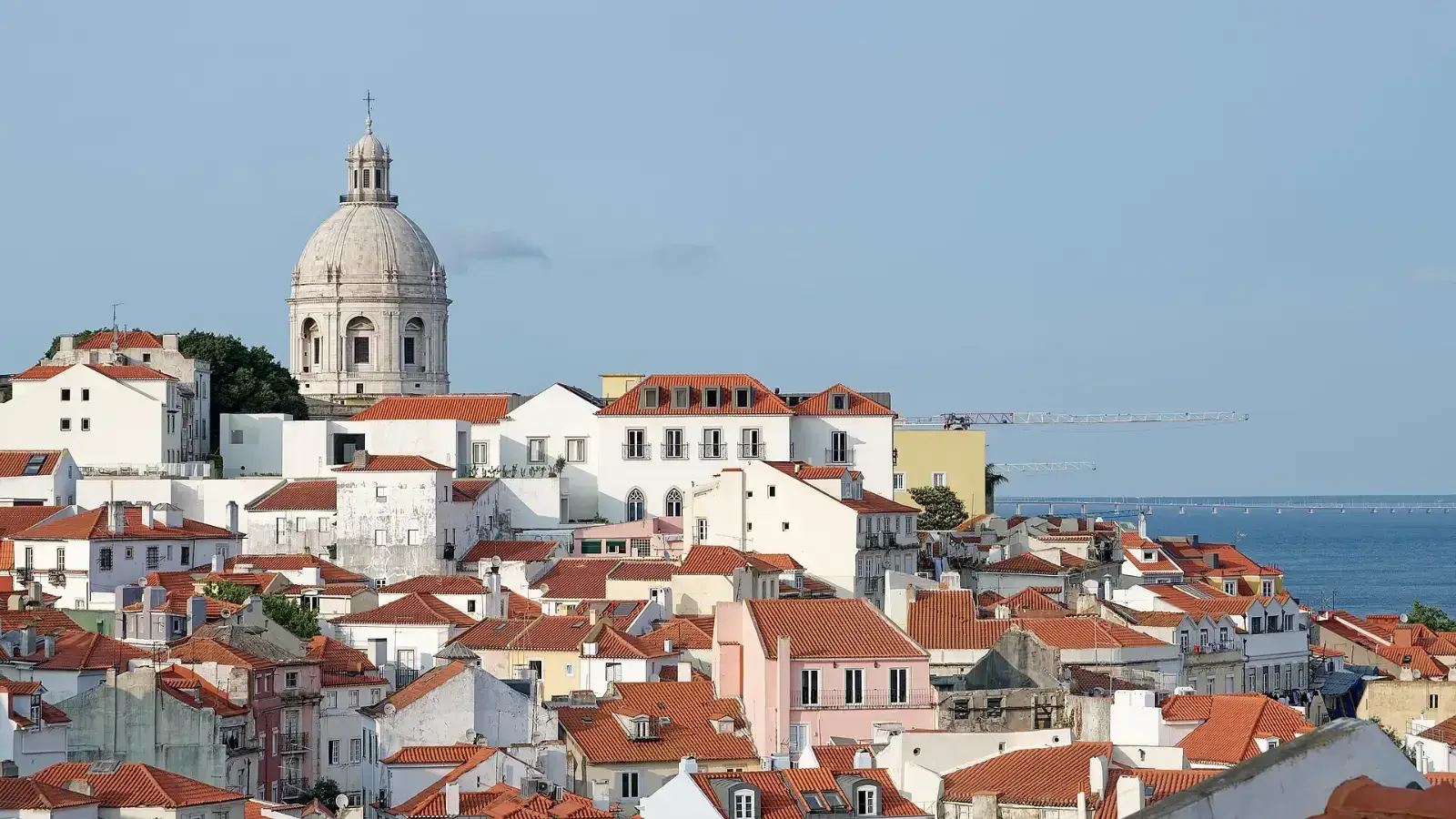
Short answer. A good itinerary example shows real dates, one area per day, booked times for anything that sells by slot, and the reason each day is arranged the way it is. The four below (Lisbon for a weekend, Rome for five days, Japan for a week and a three-day business trip) were checked against official opening days and transport times on 29 October 2026, with a map for each.
Most sample itineraries leave out the dates. That keeps them tidy and makes them impossible to get wrong, because “Day 2: Vatican Museums” is fine until Day 2 is a Sunday.
The four examples here have dates. We checked each one against the official opening days and transport times on 29 October 2026, and every one changed as a result. Under each plan is what the check found. For the method behind them, see how to make a travel itinerary, or start from the guide to itineraries.
| Example | Shape | What the check changed |
|---|---|---|
| A weekend in Lisbon | One base | Belém had to be Saturday: its two big sights close on Mondays |
| Five days in Rome | One base, timed tickets | The Vatican Museums close on two of the five days |
| A week in Japan | A line of cities | The Hiroshima day trip broke the 3-hour travel rule, so it became an overnight stop |
| Three days on business | Timed to the minute | The last day works backwards from the flight |
Example 1: a weekend in Lisbon
Arriving on Friday evening, 20 November 2026, and leaving on Monday morning. Two full days, one in Belém by the river and one in the old town on the hill.
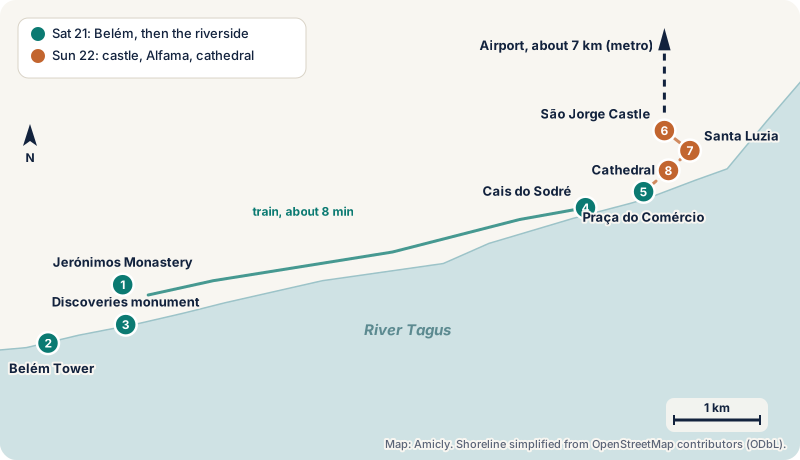
| When | Plan | Why |
|---|---|---|
| Fri 20, evening | Airport to the Baixa by metro (red line, change at São Sebastião to the blue line), dinner near the hotel | Nothing booked on an arrival evening |
| Sat 21, 09:30 | Jerónimos Monastery | Open from about 09:30; closed on Mondays |
| Sat 21, 11:00 | Belém Tower, booked half-hour slot | Reopened on 27 May 2026 with timed entry: 60 people every 30 minutes, 900 a day. Closed on Mondays |
| Sat 21, 12:30 | Lunch in Belém, then the Monument to the Discoveries from outside | Same riverside, a short walk |
| Sat 21, 14:30 | Train from Belém to Cais do Sodré, about 8 minutes | Back to the centre along the river |
| Sat 21, 15:30 | Praça do Comércio and the riverside, coffee | An easy afternoon after a big morning |
| Sun 22, 09:00 | São Jorge Castle | Opens at 09:00; November to February hours are 09:00 to 18:00, last entry 17:30 |
| Sun 22, 11:00 | Miradouro de Santa Luzia, then down through Alfama on foot | Downhill all the way, which matters here |
| Sun 22, 13:00 | Lunch, then Lisbon Cathedral | On the way down |
| Sun 22, 15:00 | Back to the Baixa, last walk | Done by mid-afternoon, before the early dark |
| Mon 23, morning | Breakfast and the airport | Jerónimos and Belém Tower would both have been shut today |
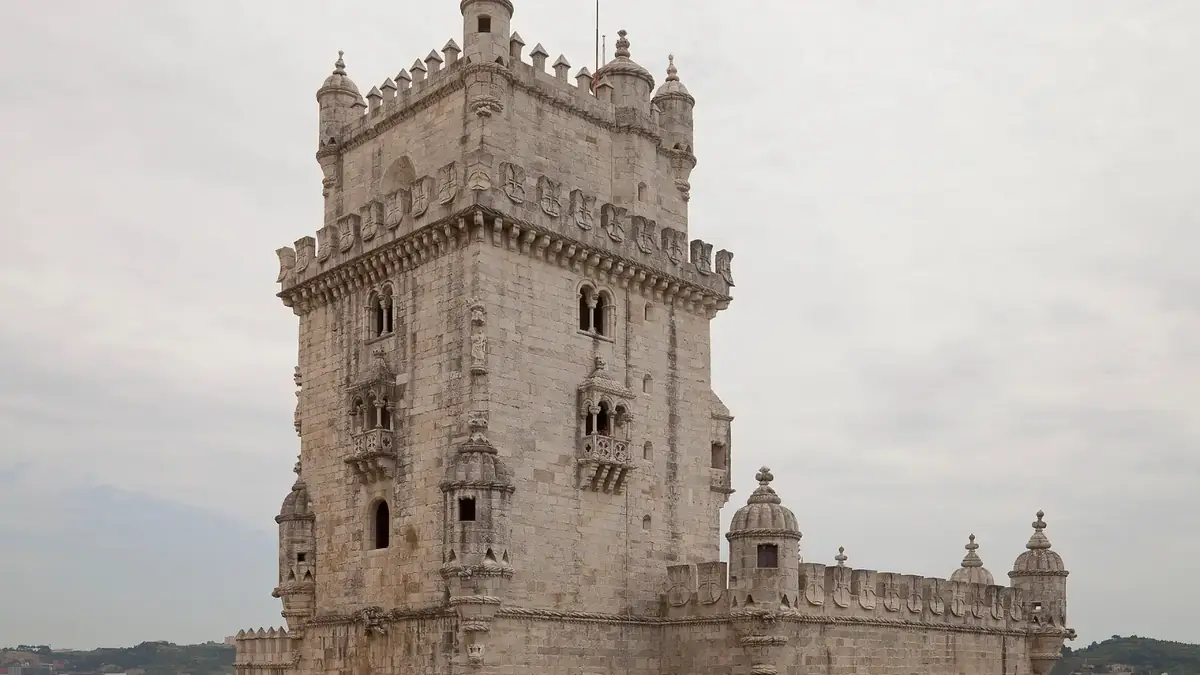
What the check found. The first draft had the old town on Saturday and Belém on Monday morning before the flight. Both Belém sights are closed on Mondays, so the days swapped. The draft also used tram 28 to reach the castle: since May 2025, Carris has run the 28E only between Martim Moniz and Campo de Ourique from 07:00 to 21:00, with buses covering the Graça end, so the plan walks instead. Check the current Carris notice before you go.
Example 2: five days in Rome in December
Sunday 6 to Thursday 10 December 2026, arriving on Sunday morning and flying home on Thursday evening. Three sights need booking: the Vatican Museums, the Colosseum and the Borghese Gallery.
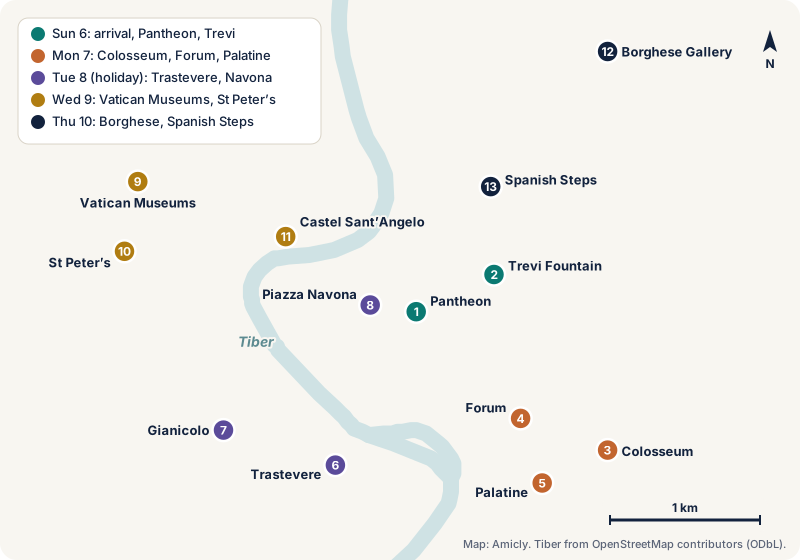
| Day | Plan | Why |
|---|---|---|
| Sun 6 | Land, bags to the hotel, the Pantheon (booked slot), Trevi Fountain in the evening | The Vatican Museums are closed on Sundays except the last of the month. The Pantheon is open daily, €7 since 1 July 2026 |
| Mon 7 | Colosseum, Forum and Palatine, booked, from 08:30 | Winter hours from 25 October: 08:30 to 16:30, last entry 15:30. Tickets are named, so bring ID. The Borghese is closed on Mondays |
| Tue 8 | Trastevere, the Gianicolo viewpoint, Piazza Navona | 8 December is a public holiday in Italy, and the Vatican Museums are closed |
| Wed 9 | Vatican Museums from 08:00, booked, then St Peter’s and Castel Sant’Angelo | Monday to Saturday 08:00 to 20:00, last entry 18:00 |
| Thu 10 | Borghese Gallery, booked, then the Spanish Steps and the airport | Booking is compulsory. Be at the airport 3 hours before an international flight |
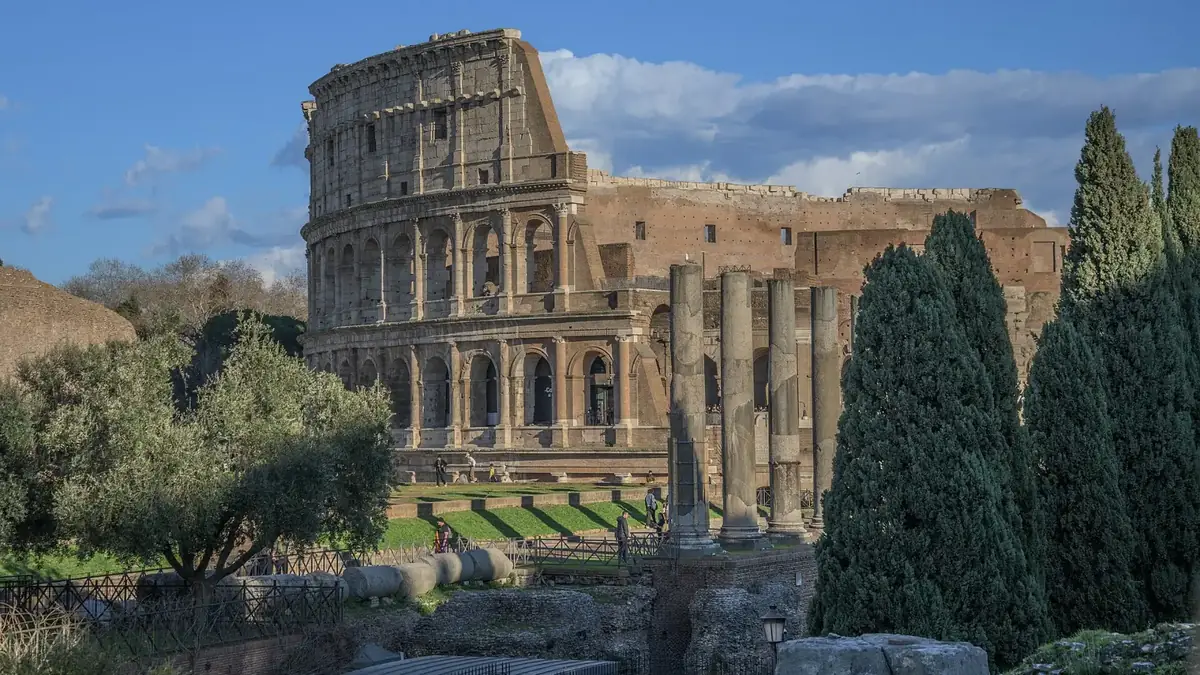
What the check found. A typical draft puts the Vatican on day 1 or day 3, which here means Sunday 6 or Tuesday 8 December, and the Museums are shut on both. It also puts the Borghese on whichever day is left, which was Monday, its closing day. Only Wednesday works for the Vatican, and Thursday for the Borghese. Colosseum tickets go on sale 30 days before the visit, so for this trip they open on 7 November.
Example 3: a week in Japan by Shinkansen
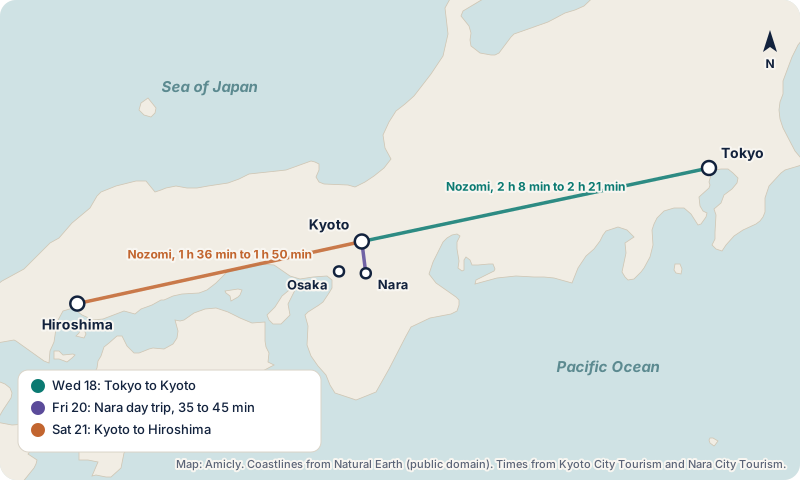
Monday 16 to Sunday 22 November 2026: two nights in Tokyo, three in Kyoto with a day trip to Nara, and one in Hiroshima.
| Day | Plan | Why |
|---|---|---|
| Mon 16, Tokyo | Land, hotel, an early night | Arrival day after a long flight |
| Tue 17, Tokyo | One area, for example Asakusa and Ueno | One full Tokyo day |
| Wed 18, Tokyo to Kyoto | Nozomi, about 2 h 8 min to 2 h 21 min; Kyoto in the afternoon | Bags over 160 cm in total need a reserved oversized-baggage seat |
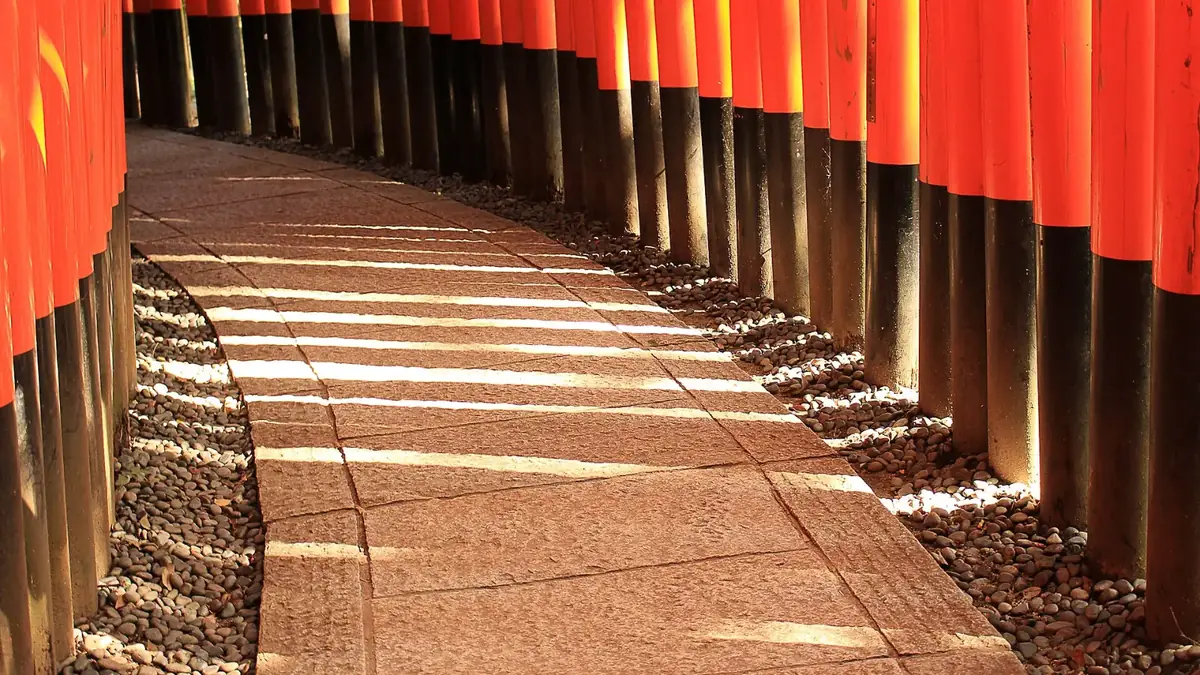
| Thu 19, Kyoto | Fushimi Inari early, then southern Higashiyama | Go early, before the crowds |
| Fri 20, Nara day trip | Kintetsu Limited Express, about 35 min, or JR rapid, about 45 min | Short enough for a day trip |
| Sat 21, Kyoto to Hiroshima | Nozomi, about 1 h 36 min to 1 h 50 min; Peace Memorial Museum in the afternoon | Open 07:30 to 19:00 from September to November; adults ¥200 |
| Sun 22, Hiroshima | Morning at the museum or Peace Park, then the train or flight home | The early slot (07:30 to 08:30) needs an online reservation |
What the check found. The first draft did Hiroshima as a day trip from Kyoto. At about 1 h 36 min to 1 h 50 min each way, plus getting to and from the stations, that’s more than 3 hours of travel in a day, which is where Amicly’s checker flags a day as too much. Sleeping in Hiroshima turned a rushed day into an afternoon and a morning. The Nara day trip stayed, because at 35 to 45 minutes each way it fits.
Example 4: three days on business
A trade fair in a European city, flying in on Tuesday and home on Thursday evening. Business itineraries are the most timed of all, so this one is built backwards from the fixed points.
| When | Plan | How it was worked out |
|---|---|---|
| Tue, 15:00 | Land, taxi to a hotel near the venue | Check-in is usually 15:00; no meetings today |
| Tue, 18:00 | Badge collection, a short walk round the venue | Saves a queue tomorrow |
| Tue, 20:00 | Dinner, early night | |
| Wed, 09:00 to 17:30 | Meetings, 45 minutes each with 15 minutes between | Every meeting has its location written in the plan |
| Wed, 13:00 | Lunch, kept free | The day needs one gap |
| Wed, 19:30 | Client dinner near the hotel | No cross-city journey after a full day |
| Thu, 09:00 to 13:00 | Last meetings, bags at the hotel desk | Checkout before the first meeting |
| Thu, 14:40 | Leave for the airport | For an 18:30 international flight: be there by 15:30 (3 hours before), with a 35-minute transfer and a 15-minute margin |
| Thu, 18:30 | Flight home |
The leave-by time comes from the same rule Amicly’s departure planner uses. If your airline gives a different time for check-in or bag drop, use the airline’s. How early to get to the airport explains where the 3-hour rule comes from.
What makes a good itinerary example?
Dates, reasons and a map. A sample itinerary without dates can’t show you closing days; one without reasons can’t be adapted when your dates are different; one without a map can’t show you why the days are grouped the way they are.
When you borrow an example, from here or anywhere, change the dates to yours first and recheck every closing day. Then change the pace to suit the people you’re with. The free travel itinerary template has the same columns as the tables above, and the multi-city guide has journey times for 18 more routes.
Questions about itinerary examples
What should a sample travel itinerary include? Dates, where you sleep, one area per day, times for anything booked, how you’ll get between places, and a reason for each choice.
How many things should a sample itinerary have per day? Usually four to six stops with meals counted, fewer on arrival and departure days. Amicly’s planner uses 3 to 4 at a relaxed pace and 4 to 6 at a balanced one.
Can I copy an itinerary example for my own trip? Yes, but recheck it for your dates. The Rome plan above only works because Sunday 6 and Tuesday 8 December avoid the Vatican. Move it a week and the days need shuffling again.
Where can I get an itinerary made for my dates? Amicly’s planner writes a day-by-day plan for your destination, dates, interests and pace, then checks each place on Google Maps and times the journeys. Your first plan is free with a free account.
Sources
- Património Cultural: Mosteiro dos Jerónimos (closing days) · checked 29 October 2026
- Visit Lisboa: Mosteiro dos Jerónimos · checked 29 October 2026
- Visit Lisboa: Torre de Belém · checked 29 October 2026
- Observador: Belém Tower reopens with a new timed entry system (26 May 2026) · checked 29 October 2026
- Castelo de São Jorge: opening times · checked 29 October 2026
- Carris: tram 28E temporary interruption · checked 29 October 2026
- CP: Cascais line timetable · checked 29 October 2026
- Metro Lisboa: network leaflet · checked 29 October 2026
- Vatican Museums: opening hours and closures · checked 29 October 2026
- Colosseum: opening times and tickets · checked 29 October 2026
- Direzione Musei Roma: Pantheon · checked 29 October 2026
- Ministero della Cultura: Galleria Borghese (booking compulsory) · checked 29 October 2026
- Kyoto City Tourism: getting to Kyoto from major cities · checked 29 October 2026
- Nara City Tourism: access · checked 29 October 2026
- Hiroshima Peace Memorial Museum: hours and admission · checked 29 October 2026
- JR Central: oversized baggage on the Shinkansen · checked 29 October 2026
- Wikimedia Commons: View from Miradouro de Santa Luzia, Lisbon (CC BY 4.0) · checked 29 October 2026
- Wikimedia Commons: Torre de Belém, Lisboa (CC BY-SA 3.0) · checked 29 October 2026
- Wikimedia Commons: Colosseum of Rome and Roman Forum (CC0) · checked 29 October 2026
- Wikimedia Commons: Senbon Torii at Fushimi Inari Taisha (CC BY 2.0) · checked 29 October 2026
- OpenStreetMap contributors: rivers and coastline (ODbL) · checked 29 October 2026
- Natural Earth: country outlines (public domain) · checked 29 October 2026
Spotted something out of date? Report a correction. How we review