Trip planning
3 days in Tokyo: an itinerary by neighbourhood that fits the closing days
Three area days in Tokyo (east, central and west) and the order that keeps them open: Mondays shut the Ueno and Ryogoku museums and Shinjuku Gyoen, the palace gardens close Mondays and Fridays, and the fish markets close Wednesdays and Sundays. A day-order checker, dated hours and rain swaps.
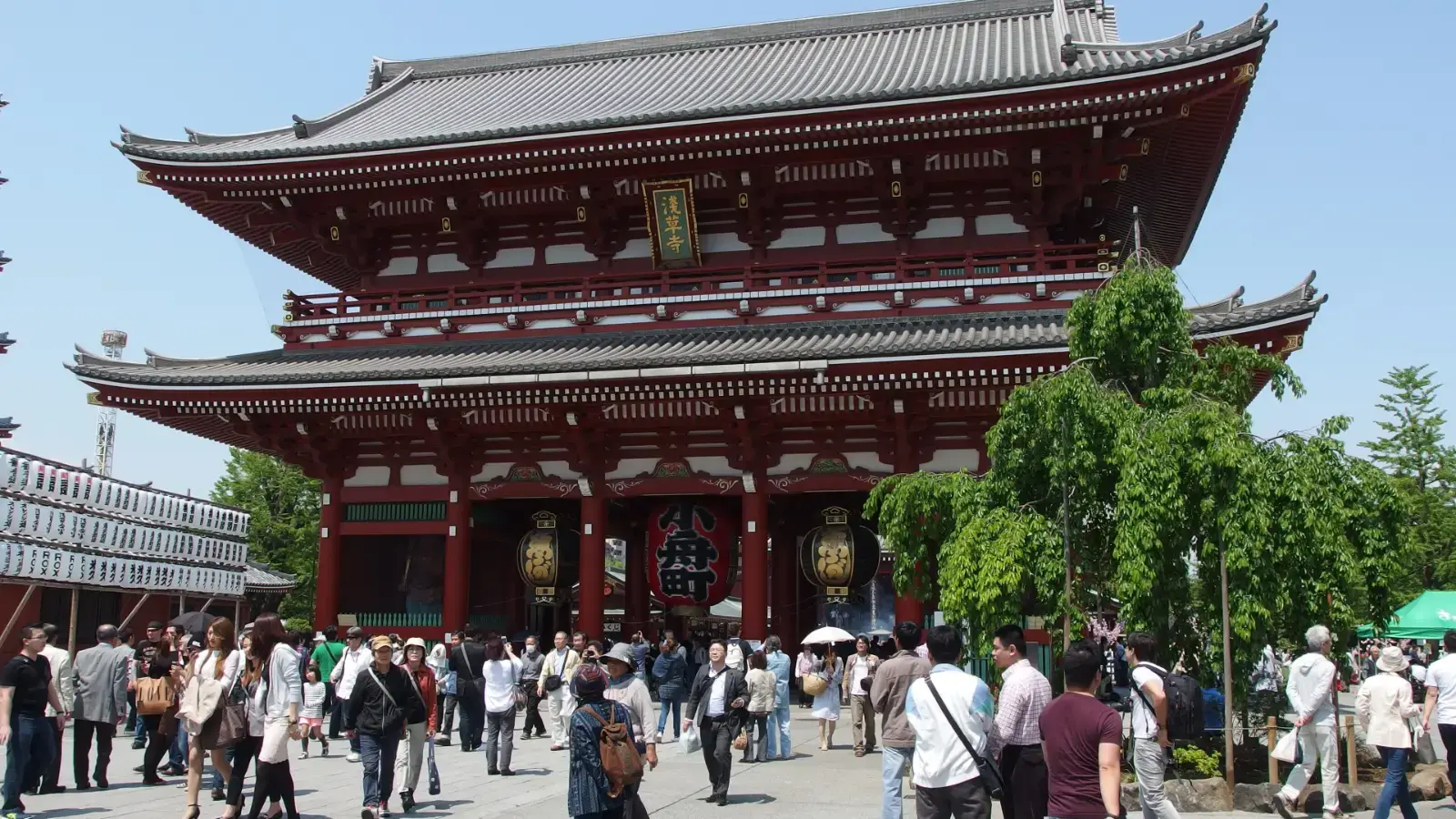
Short answer. Give each of your three days to one area. East: Senso-ji early, then Ueno and the Tokyo National Museum, or the Edo-Tokyo Museum in Ryogoku. Central: Tsukiji Outer Market in the morning, the Imperial Palace East Gardens, then Hama-rikyu and Ginza. West: Meiji Jingu at opening, Harajuku, Shinjuku Gyoen and Shibuya in the evening. Avoid the east and west days on a Monday, and the central day on a Monday, Wednesday, Friday or Sunday.
Tokyo is too big to see in three days, and trying to is how a short trip turns into three days on the train. The plan that works gives each day one part of the city: the east, the centre and the west. Then it puts those days in the right order, because each area has its own closing days, and Monday catches out more visitors than anything else.
What’s the best 3-day Tokyo itinerary?
One area a day, in an order that suits your dates:
| Day | Area | Main sights | Bad days for it |
|---|---|---|---|
| East | Asakusa, Ueno, Ryogoku | Senso-ji, Tokyo National Museum, Edo-Tokyo Museum | Monday: both museums close |
| Central | Imperial Palace, Tsukiji, Hama-rikyu, Ginza | East Gardens, Tsukiji Outer Market, Hama-rikyu Gardens | Monday and Friday (palace gardens), Wednesday and Sunday (the market) |
| West | Harajuku, Shinjuku, Shibuya | Meiji Jingu, Shinjuku Gyoen | Monday: the garden closes |
So the central day suits a Tuesday, Thursday or Saturday. If one of your days is a Monday, give it the central area anyway: Tsukiji and Hama-rikyu are open, and only the palace gardens are shut.
Which order works for your dates?
Put in your first full day. The checker tries all six orders and shows the one with the most sights open, with each sight’s hours for that month.
Which order works for your three days?
Pick your first full day. We try every order of the three area days and show the one with the most sights open, from the official pages checked on 13 November 2026.
–
Public holidays change some closures (a museum that opens on a holiday Monday shuts the next day), and the year-end break closes most of these from late December. Check the dates against Japan’s holidays. Plan your Tokyo days in Amicly.
Download the sights as a CSV, with the official source for each line.
Day: the east (Asakusa, Ueno, Ryogoku)
Start at Senso-ji in Asakusa as early as you can. The main hall opens at 06:00, or 06:30 from October to March, and it’s calmer early in the day.
Then go to Ueno. The Tokyo National Museum opens at 09:30 and closes at 17:00, staying open to 19:00 on Fridays and Saturdays. Regular exhibitions cost ¥1,000. It closes on Mondays; when a Monday is a public holiday it opens and closes the next day instead.
In the afternoon, choose between more of Ueno Park or the Edo-Tokyo Museum in Ryogoku, which reopened on 31 March 2026 after four years of renovation. It’s open from 09:30 to 17:30 (19:30 on Saturdays), costs ¥800 for adults, and also closes on Mondays.
Day: the centre (Imperial Palace, Tsukiji, Hama-rikyu)
Begin at Tsukiji Outer Market for breakfast. GO TOKYO says it’s most lively from 09:00 to 13:00, and that the market closes on Wednesdays, Sundays and public holidays, when many shops shut too.
Walk or take a short ride to Hama-rikyu Gardens, open 09:00 to 17:00, ¥300.
Finish at the East Gardens of the Imperial Palace, but check the clock: from November to February they close at 16:00, with last entry at 15:30, and they’re closed on Mondays and Fridays. If your central day lands on one of those, spend longer at Hama-rikyu or in Ginza instead. Ginza is next door for the evening.
If you want the working fish market, Toyosu opens at 05:00 and follows the same Wednesday, Sunday and holiday closures. teamLab Planets is also in Toyosu, with timed tickets from ¥3,800.
Day: the west (Meiji Jingu, Harajuku, Shinjuku, Shibuya)
Go to Meiji Jingu at opening. It’s open every day from sunrise to sunset, and the shrine lists the times by month: 06:10 to 16:10 in November, 05:00 to 18:30 in June. Entry is free.
Walk down through Harajuku, then on to Shinjuku Gyoen: ¥500, open 09:00 to 16:30 from October to mid-March and longer in summer. It closes on Mondays, except during the cherry blossom season (25 March to 24 April) and the chrysanthemum exhibition (1 to 15 November), when it opens every day.
End in Shibuya for the crossing and dinner. Evening is the time for it.
What needs booking ahead?
Most of this plan needs no tickets in advance. The exceptions are the places that sell timed entry:
- teamLab Planets: timed tickets from ¥3,800 for adults; the QR code appears on the day.
- Ghibli Museum in Mitaka: tickets go on sale at 10:00 Japan time on the 10th of each month for the following month, through Lawson Ticket, at ¥1,000 for adults. It’s a half-day trip west of Shinjuku, so it replaces part of a day.
What if it rains?
Keep the area, change the stops. On the east day, rain suits the plan: both museums are indoors. On the centre day, drop the gardens and add teamLab Planets or more time in Ginza’s department stores. On the west day, shorten Shinjuku Gyoen and spend longer indoors in Shibuya or Shinjuku. Meiji Jingu’s forest walk is pleasant in light rain. For a full wet day, our Tokyo rainy day itinerary has five indoor routes by area, with the weekday each one is shut.
How do I get around between areas?
Each day stays in one part of the city, so you mostly walk and take short metro or JR rides. Use an IC card (Suica, PASMO or ICOCA) or a phone with Suica; our Japan phone setup checklist covers what works on iPhone and Android, and Japan train apps compares the route finders.
Arriving or leaving on one of the three days?
If day one is your arrival day, use it for the area your hotel is in and keep it light; Tokyo arrival day works out how much time you have after Narita or Haneda. If the last day ends with a flight, last day in Tokyo before a flight works out when to leave.
Quick answers
Is 3 days enough for Tokyo? For the main areas, yes, if you give each day one part of the city. Day trips such as Kamakura or Nikko need extra days: our guide to how many days in Tokyo adds up the days for your own list.
Are Tokyo museums closed on Mondays? Many are. The Tokyo National Museum and the Edo-Tokyo Museum both close on Mondays, as does Shinjuku Gyoen for most of the year. Senso-ji, Meiji Jingu and Hama-rikyu are open.
When is Tsukiji market closed? On Wednesdays, Sundays and public holidays, according to GO TOKYO. Toyosu Market follows the same pattern.
Can I visit the Imperial Palace East Gardens any day? No. They close on Mondays and Fridays, except most public holidays, and from 28 December to 3 January.
What this guide doesn’t cover
We checked the official pages for 11 sights on 13 November 2026. The checker doesn’t compute Japanese public holidays, which change several closures, so check your dates. Visit lengths and the walking order are our suggestions, not official figures. Tokyo has far more than these; this is a frame for three days, not a list of everything.
Sources
- Amicly dataset: Tokyo sights for a three-day trip (checked 13 November 2026) · checked 13 November 2026
- Senso-ji: About · checked 13 November 2026
- Tokyo National Museum: Hours and admission · checked 13 November 2026
- Edo-Tokyo Museum: Hours · checked 13 November 2026
- Tokyo Metropolitan Government: Edo-Tokyo Museum reopening · checked 13 November 2026
- Kikuyou: East Garden of the Imperial Palace · checked 13 November 2026
- GO TOKYO: Tsukiji Outer Market (updated 20 August 2026) · checked 13 November 2026
- GO TOKYO: Hama-rikyu Gardens · checked 13 November 2026
- GO TOKYO: Toyosu Market · checked 13 November 2026
- Meiji Jingu: How to visit · checked 13 November 2026
- Shinjuku Gyoen: Information · checked 13 November 2026
- teamLab Planets: Tickets · checked 13 November 2026
- Ghibli Museum: Tickets · checked 13 November 2026
- Wikimedia Commons: Hozomon gate @ Senso-ji Temple @ Asakusa (14039400822).jpg (feature photo) · checked 13 November 2026
Spotted something out of date? Report a correction. How we review