Arrival and departure
What to do before hotel check-in
Landed early and your room isn’t ready? A calm plan for the hours before check-in, with bags and tired people in tow.
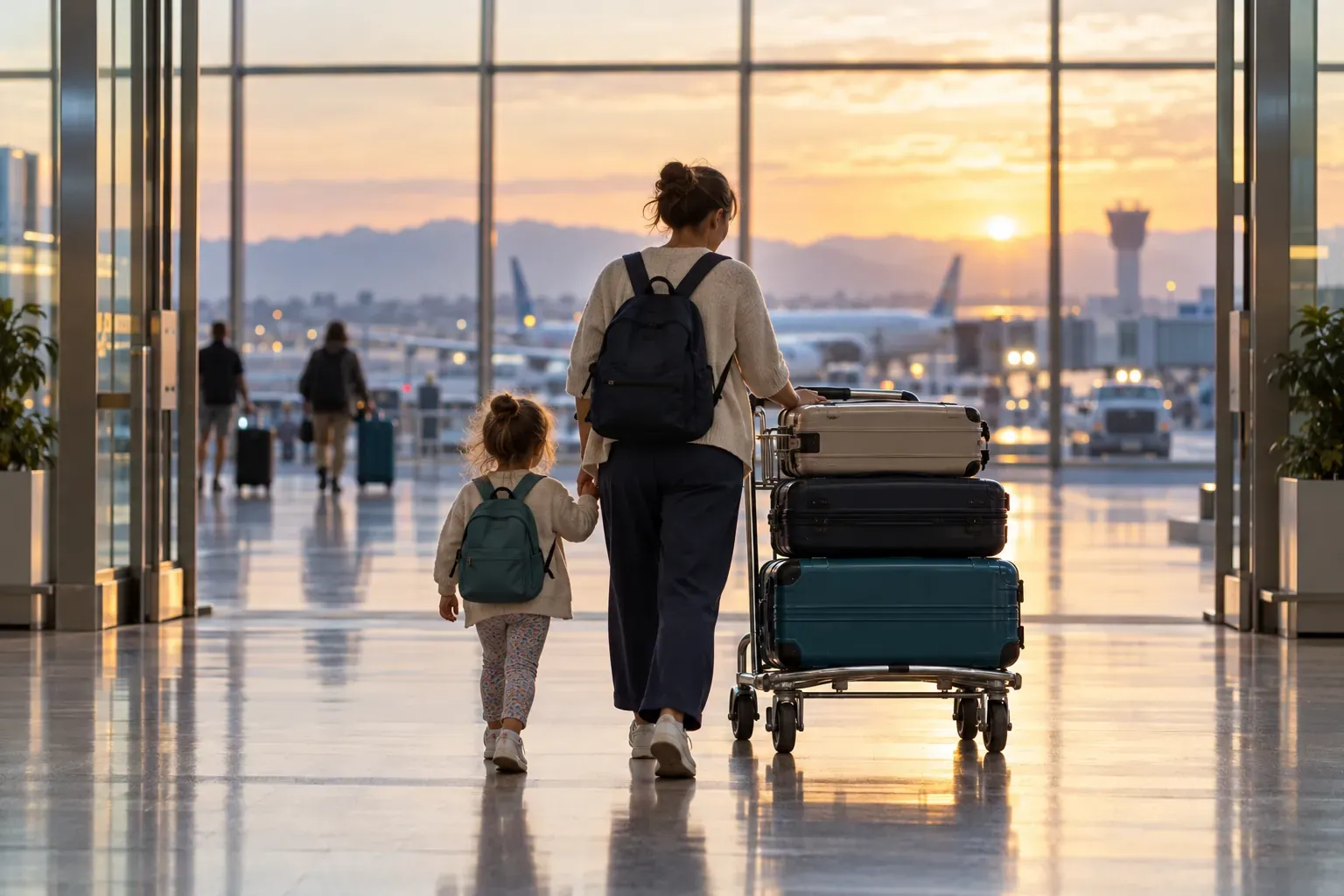
Short answer. Go to the hotel first, even hours early, and ask them to hold your bags or check you in early. Then spend the gap close to the hotel on food, daylight and short rests, and save big sightseeing for later. Plan backwards from check-in time so you’re never far away when the room is ready.
Many hotels check you in somewhere between 14:00 and 16:00, and many long-haul flights land in the early morning. That leaves a gap of five or more hours with bags, little sleep and nowhere to put either. The good news: the gap is easy to plan once you start from the hotel, not the airport.
Should I go to the hotel first, even if it’s early?
Yes, in almost every case. Hotels routinely hold luggage for guests who arrive before check-in, and if a room happens to be ready they may let you in early. Going straight there also means you learn the route while you’re fresh, and every later stop is planned from a known base.
At the desk, ask three things:
- Can I check in early? If not, ask to be called or messaged when the room is ready.
- Can you hold our bags? Keep a small day bag with the things listed below.
- Is there somewhere to freshen up? Some hotels have a lounge, gym showers or a guest bathroom you can use before check-in.
If you know you’ll land very early, it’s worth emailing the hotel a few days before. Some sell early check-in, and some will book the room from the night before so it’s ready when you land.
What should I keep with me?
A small day bag makes the gap far easier:
- Passport, phone, charger and a power bank.
- Something warm and a change of top.
- Medication, and anything a child needs for the next few hours.
- Water and a snack.
- The hotel’s address saved on your phone, in the local language if it uses another script, to show a driver.
Where can I rest or wait?
Plan the gap around places near the hotel, so you can get back quickly when the room is ready:
- A late breakfast or brunch nearby, somewhere with space for the table to linger.
- A park or a riverside walk. Daylight helps your body clock adjust to local time, according to the CDC’s advice on jet lag.
- A library, a large café or a museum with a café if the weather is bad.
- A short nap if you need one. The CDC notes that short naps of around 20 minutes can help alertness, while long daytime naps can make the first night harder.
Avoid booking anything with a fixed time in the first hours after landing. Flights run late and passport queues vary.
What does a light first plan look like?
Work backwards from check-in time and keep everything within easy reach of the hotel. For a landing at 08:30 with check-in at 15:00, it might look like this:
| Time | What |
|---|---|
| 08:30 | Land |
| 09:30 | Leave the airport (allow more at busy times) |
| 10:30 | Bags to the hotel desk, ask about early check-in |
| 11:00 | Late breakfast nearby |
| 12:30 | A walk in a park or along the water |
| 14:00 | A café or a quiet hour |
| 15:00 | Check in, shower, short rest |
Example plan. Times are illustrations, not checked for your dates.
What if we’re travelling with children?
Keep the plan smaller still. Bring one familiar thing for each child, plan food earlier than you think, and look for a playground near the hotel rather than an attraction across town. If a child falls asleep in a pushchair or a café, let them; the CDC’s caution about long naps matters more for adults trying to sleep that night. We cover this in more detail in our guide to early-morning arrivals with children.
What about the evening?
Have a simple dinner near the hotel and aim to go to bed at a normal local bedtime. Big plans can start tomorrow.
Sources
- CDC Yellow Book: Jet lag disorder · checked 21 October 2026
Spotted something out of date? Report a correction. How we review